Different Names and Structural Classifications of Ceramic Toilets Around the World
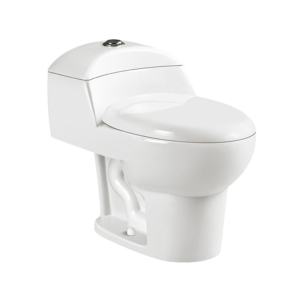
Introduction:
Ceramic toilets are a core element of modern bathroom fixtures, and different countries have their own unique names and classifications for them. Whether it’s the common names used in daily life or the structural designs, these variations reflect local language, culture, and technological advancements. This article explores the different names for ceramic toilets in various countries and their structural classifications, helping you better understand the global bathroom market.
1. United States: Toilet or Commode
In the United States, the most common term is “Toilet,” which is used for most residential and public restrooms. “Commode” is often used to refer to older, traditional toilets, particularly in healthcare settings. The structural classifications of ceramic toilets in the U.S. include:
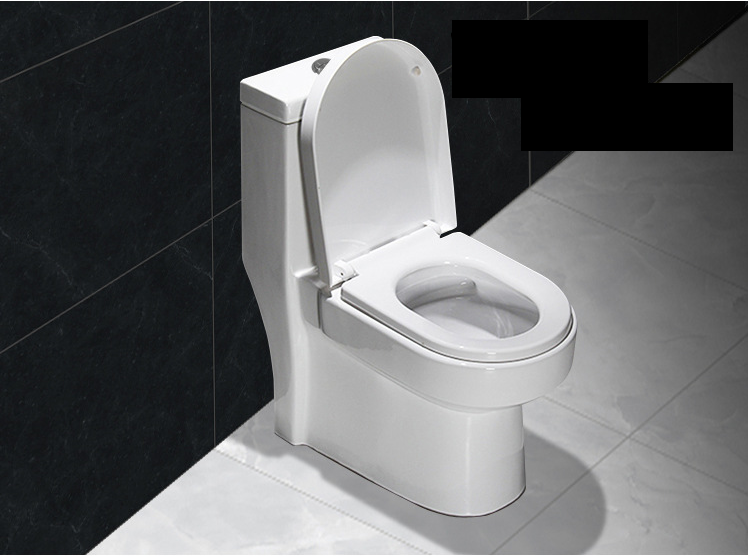
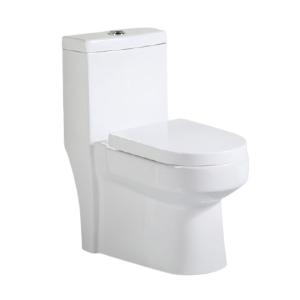
• One-Piece Toilet: The tank and bowl are integrated into a single unit, making it compact and easy to clean.
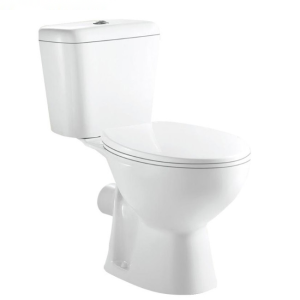
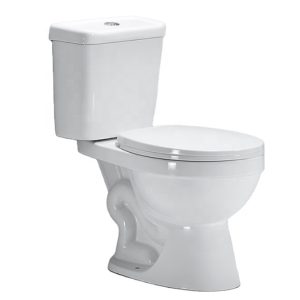
• Two-Piece Toilet: The tank and bowl are separate, and this design is more traditional and widely used in most households.
• Compact Toilet: These are designed for small bathrooms, providing space-efficient solutions without sacrificing functionality.
2. United Kingdom: Toilet or Loo
In the UK, “Toilet” is the standard term, but “Loo” is also very common, particularly in casual conversations. The structural classifications of ceramic toilets in the UK include:
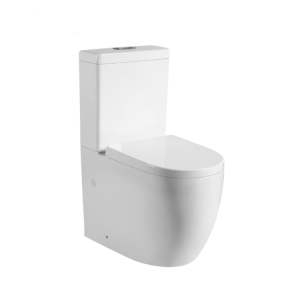
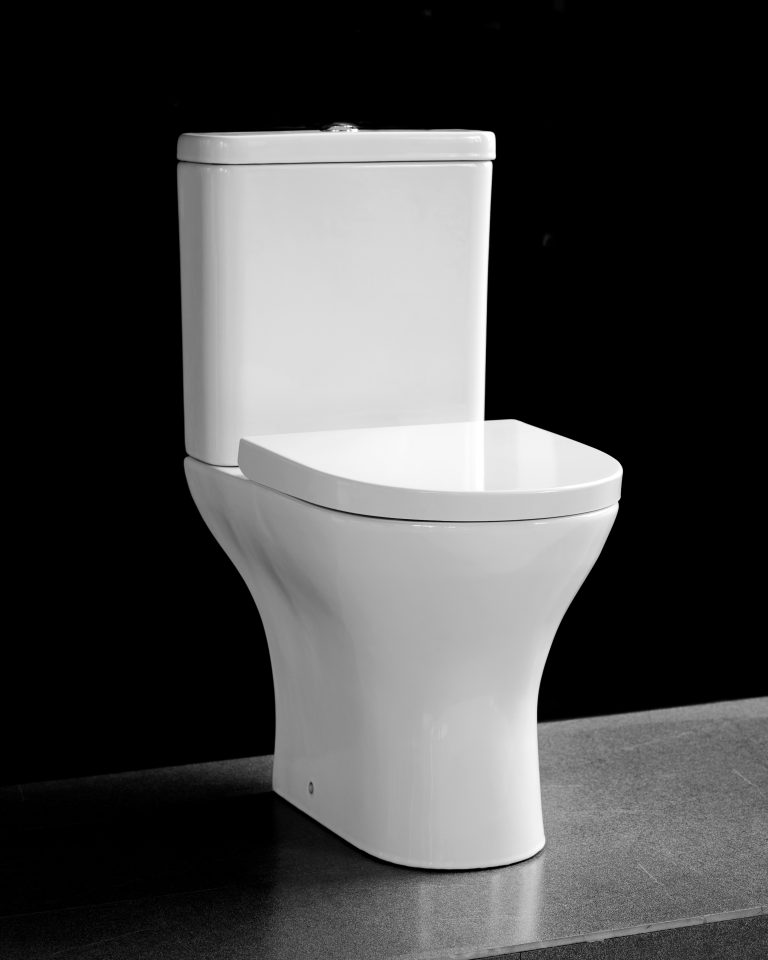
• Close-Coupled Toilet: The tank and bowl are joined together in a compact design, saving space while making cleaning easier.
• Separate Toilet: This traditional design separates the tank and bowl, commonly seen in older buildings.
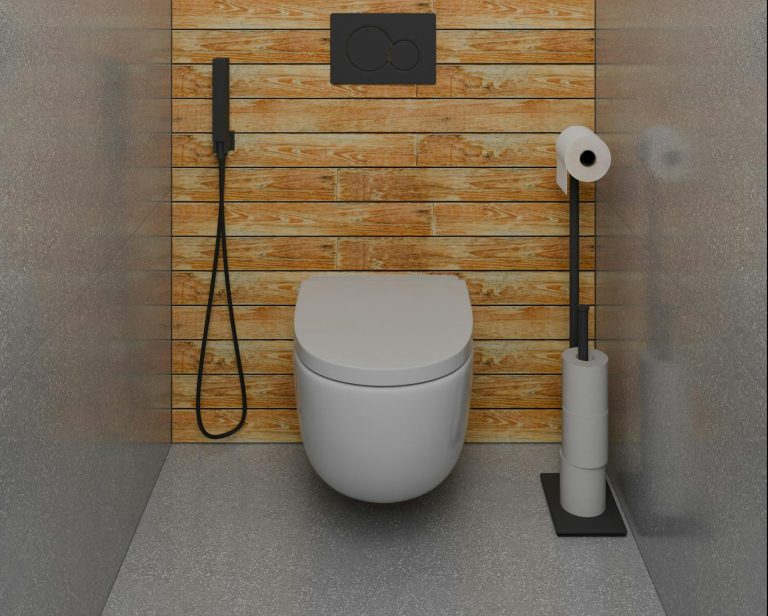
• Wall-Hung Toilet: This modern design features a toilet bowl suspended from the wall, creating a sleek look and offering easier floor cleaning.
3. France: WC (Water Closet)
In France, “WC” is the most common term, referring to both the toilet itself and the restroom. The structural classifications of ceramic toilets in France include:
• Monobloc Toilet: The tank and bowl are integrated, creating a seamless and easy-to-maintain unit.
• Cistern Toilet: This traditional design separates the tank and bowl, though it remains popular in many French homes.
• Wall-Hung Toilet: A modern and stylish design, where the bowl is mounted on the wall, providing more flexibility in bathroom design.
4. Germany: Toilette or WC
In Germany, “Toilette” and “WC” are both used to refer to a toilet or restroom. The structural classifications of ceramic toilets in Germany include:
• One-Piece Toilet: The tank and bowl form a single unit, offering a streamlined look and making cleaning easier.
• Two-Piece Toilet: The tank and bowl are separate, a more traditional design still widely used.
• Compact Toilet: This smaller design is ideal for bathrooms with limited space, offering the same functionality in a reduced size.
5. Japan: トイレ (Toire)
In Japan, “トイレ” (Toire) is the common term for the toilet. Japan has a variety of toilet designs, including:
• One-Piece Toilet: This compact design features the tank and bowl as a single unit, popular in modern homes.
• Two-Piece Toilet: Similar to traditional designs, this has a separate tank and bowl, still used in some areas.
• Wall-Hung Toilet: Wall-mounted toilets are becoming increasingly popular, especially in modern bathrooms, as they save space and facilitate cleaning.
6. China: 马桶 (Mǎtǒng) or 坐便器 (Zuòbiànqì)
In China, the terms “马桶” (Mǎtǒng) and “坐便器” (Zuòbiànqì) are commonly used for toilets. The structural classifications of ceramic toilets in China include:
• One-Piece Toilet: The tank and bowl are integrated into one unit, often preferred for its sleek design and ease of installation.
• Two-Piece Toilet: This is the traditional design, with the tank and bowl separate, widely used in residential and public spaces.
• Wall-Hung Toilet: These toilets, mounted on the wall, are becoming popular in modern homes due to their space-saving design.
7. Australia: Toilet or Dunny
In Australia, “Toilet” is the standard term, but “Dunny” is a more colloquial expression, particularly in rural areas. The structural classifications of ceramic toilets in Australia include:
• One-Piece Toilet: A modern design where the tank and bowl are fused into one unit, making it compact and easy to clean.
• Two-Piece Toilet: A traditional design with separate tank and bowl components, widely used in most households.
• Compact Toilet: Suitable for small bathrooms, this design saves space while maintaining functionality.
8. Italy: Gabinetto or Toilette
In Italy, “Gabinetto” is commonly used in homes, while “Toilette” is used in public spaces. The structural classifications of ceramic toilets in Italy include:
• Monobloc Toilet: A modern design with the tank and bowl as one piece, offering a more compact and contemporary look.
• Separate Toilet: The tank and bowl are separate, a design still found in many traditional homes.
• Wall-Hung Toilet: These are becoming increasingly popular in Italian bathrooms, especially in smaller spaces, due to their modern appearance and ease of cleaning.
9. Spain: Inodoro or Baño
In Spain, “Inodoro” is commonly used to refer to the toilet, while “Baño” refers to the entire restroom. The structural classifications of ceramic toilets in Spain include:
• Monobloc Toilet: A sleek design where the tank and bowl are integrated into one unit, common in modern homes.
• Separate Toilet: A traditional design where the tank and bowl are separate, commonly seen in older homes.
• Wall-Hung Toilet: This modern design is becoming more popular, particularly in new homes and apartments, due to its space-saving and stylish features.
10. Russia: Туалет (Toalet)
In Russia, “Туалет” (Toalet) is the term used to refer to both the toilet and the restroom. The structural classifications of ceramic toilets in Russia include:
• One-Piece Toilet: The tank and bowl are one integrated unit, making it easier to clean and maintain.
• Two-Piece Toilet: The traditional design, where the tank and bowl are separate, still widely used in many households.
• Compact Toilet: This design is popular in smaller bathrooms and offers a more space-efficient solution.
11. Mexico: Inodoro or Baño
In Mexico, “Inodoro” is the common term for the toilet, while “Baño” refers to the entire restroom. The structural classifications of ceramic toilets in Mexico include:
• Monobloc Toilet: A compact design with the tank and bowl integrated into a single unit, popular in modern bathrooms.
• Separate Toilet: The traditional design where the tank and bowl are separate, still found in many homes.
• Compact Toilet: These are ideal for smaller bathrooms, saving space while still offering full functionality.
12. Poland: Toaleta or WC
In Poland, “Toaleta” is the most common term for the toilet, while “WC” is often used in public places. The structural classifications of ceramic toilets in Poland include:
• Monobloc Toilet: A modern design where the tank and bowl are fused together, providing a sleek and easy-to-clean option.
• Separate Toilet: A more traditional design, with separate tank and bowl, still common in many Polish homes.
• Wall-Hung Toilet: This design is becoming increasingly popular for its modern look and ease of maintenance, especially in smaller spaces.
13. Peru: Inodoro or Baño
In Peru, “Inodoro” is commonly used to refer to the toilet, while “Baño” refers to the entire restroom. The structural classifications of ceramic toilets in Peru include:
• Monobloc Toilet: A compact, one-piece design that integrates the tank and bowl, suitable for modern homes.
• Separate Toilet: This traditional design with separate tank and bowl is still widespread in older buildings.
• Compact Toilet: A smaller design ideal for bathrooms with limited space.
14. Greece: Τουαλέτα (Toaléta)
In Greece, “Τουαλέτα” (Toaléta) is the common term for the toilet. The structural classifications of ceramic toilets in Greece include:
• Monobloc Toilet: The tank and bowl are combined into a single unit, offering a clean and contemporary design.
• Separate Toilet: Traditional design with separate tank and bowl, still used in older homes.
• Wall-Hung Toilet: This modern style, where the toilet bowl is mounted on the wall, is becoming more popular for its sleek look and space-saving features.
15. Saudi Arabia: مرحاض (Mirhad)
In Saudi Arabia, “مرحاض” (Mirhad) is commonly used to refer to the toilet. The structural classifications of ceramic toilets in Saudi Arabia include:
• One-Piece Toilet: A modern design where the tank and bowl are integrated, making it compact and easy to clean.
• Two-Piece Toilet: The traditional design with separate tank and bowl, often used in both public and private spaces.
• Compact Toilet: Space-efficient design that suits smaller bathrooms.
Conclusion:
Although ceramic toilets serve the same basic function worldwide, the names and structural classifications can vary significantly across different countries. From “Loo” to “WC” and “Dunny” to “Inodoro,” these terms reflect cultural differences, while the structural designs, such as one-piece, two-piece, compact, and wall-hung toilets, meet the diverse needs of different markets. Understanding these differences can help businesses cater to local preferences and improve customer satisfaction in the global bathroom fixture market.